Top 5 Challenges in Residential Concrete Pumping
From tight suburban blocks to exposed coastal sites, residential concrete pumping serving South Australia with City Concrete Pumping brings a set of challenges that can make or break a home build’s timeline. The stakes are high: access is often constrained, weather can turn quickly, and schedules are tight with multiple trades on the go. This article unpacks the most common hurdles faced on South Australian home projects and offers practical, field-tested strategies to overcome them. Drawing on deep local know-how across metropolitan Adelaide and regional communities, you’ll find guidance to help your next pour run smoothly and safely, with quality outcomes at the finish.
Understanding the South Australian Residential Landscape
Every region has its quirks, and South Australia is no exception when it comes to home construction sites. Before the first truck rolls in, it pays to understand the playing field and tailor planning accordingly.
Blocks in established suburbs are often narrow, with limited frontage and shared driveways. In contrast, peri-urban and regional builds might offer room to move but bring uneven terrain, steep grades, or long, soft tracks from road to pour. These realities shape how residential concrete pumping is planned, from pump selection through to traffic management. Add in the need to work around neighbouring properties, local council conditions, and delivery curfews, and the value of detailed pre-pour planning becomes clear. Knowing what to expect—and having a flexible plan—keeps the pour on track, even when site variables change on the day.
Challenge 1: Tight Access and Complex Sites
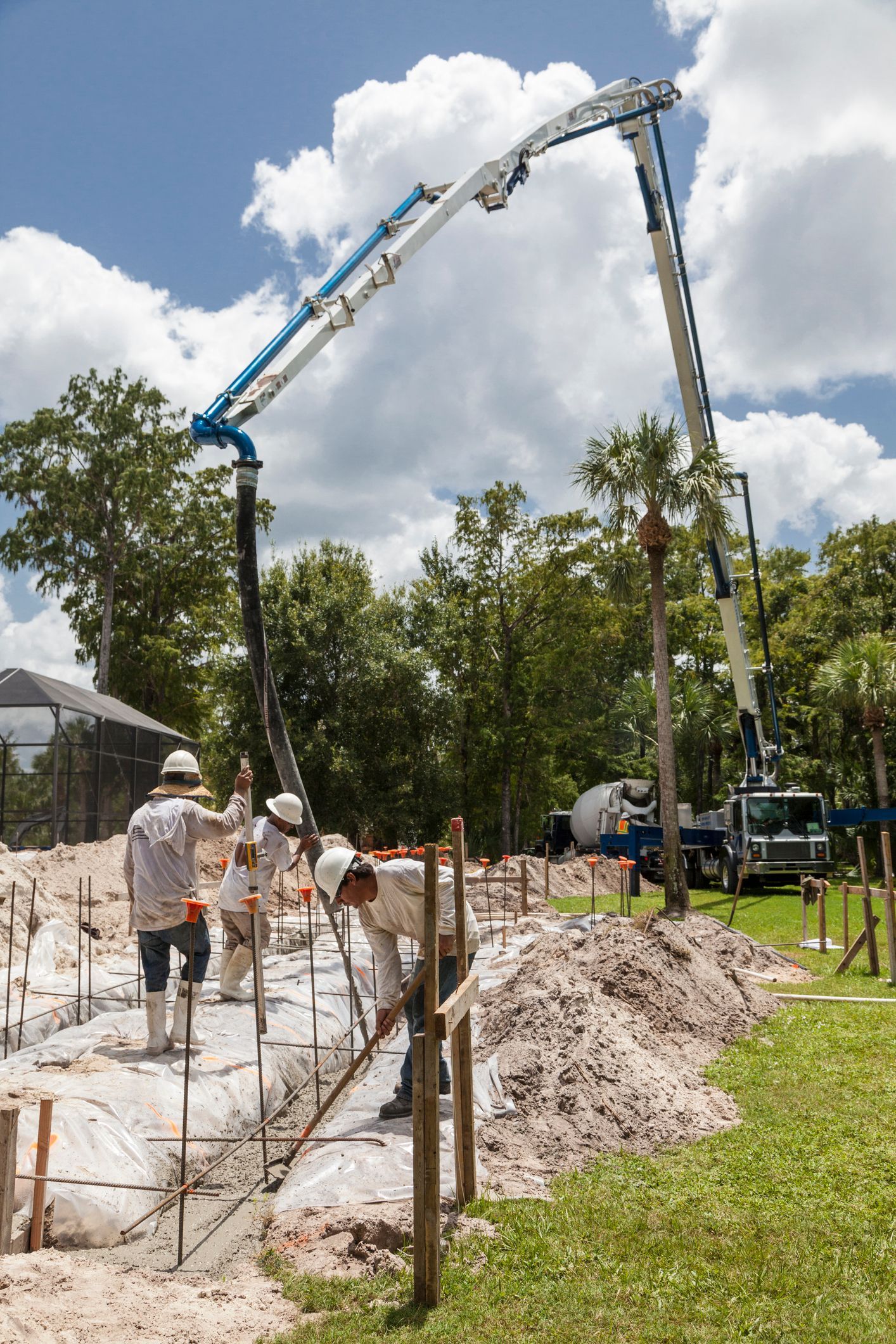
Access is the first battle on many home sites, and it’s often won or lost in pre-planning. Here’s how to get through tight gates, over gardens, and into rear yards without compromising safety or equipment quality.
- Measure twice, mobilise once: Confirm gate widths, overhead clearances, and ground bearing capacities along the access route. A small adjustment to staging or delivery can save an hour on site.
- Choose the right pump: On constrained sites, line pumps excel because hoses can be threaded along narrow paths and around obstacles. For front-yard slabs with room to set up, a smaller boom can speed placement and reduce manual handling.
- Protect what matters: Use timber bearers, mats, and hose ramps to cross pavers, drains, and garden beds. A considered path reduces clean-up and protects client property.
- Keep it light: On soft or landscaped surfaces, staged set-up and lighter vehicles help prevent bogging.
With thoughtful access planning, residential concrete pumping can proceed safely and efficiently, even on postage-stamp blocks or split-level properties.
Challenge 2: Weather, Heat, and Timing Windows
South Australia’s climate creates distinct pumping and placing challenges—especially heat, wind, and sudden showers. Managing temperature and timing is critical to finish quality and structural performance.
- Beat the heat: Early starts reduce evaporation and slump loss. Shade, windbreaks, and curing compounds help control rapid surface drying during hot northerlies.
- Watch the wind: Strong gusts complicate boom stability and finishing. Where possible, schedule pours outside peak wind windows.
- Rain-ready: Have plastic sheeting or curing blankets on standby, and plan for safe wash-out containment if showers appear mid-pour.
- Adjust the mix: Accelerators, retarders, and plasticisers fine-tune set times to match site conditions and distance from the plant.
By adapting the pour programme to South Australia’s weather patterns, residential concrete pumping stays consistent, and finishers get the workable window they need.
Challenge 3: Mix Management and Quality Control
A pump-friendly mix and disciplined water control are essential to maintain flow, prevent blockages, and deliver a durable finish. Residential pours bring unique demands: exposed aggregate driveways, polished interiors, and toppings that must self-level and set evenly.
- Specify a pumpable mix: Work with the batch plant on aggregate grading, cement content, and admixtures that maintain cohesion under pressure.
- Protect the slump: Limit on-site water additions. If adjustment is needed, use appropriate plasticisers to meet placement needs without weakening the slab.
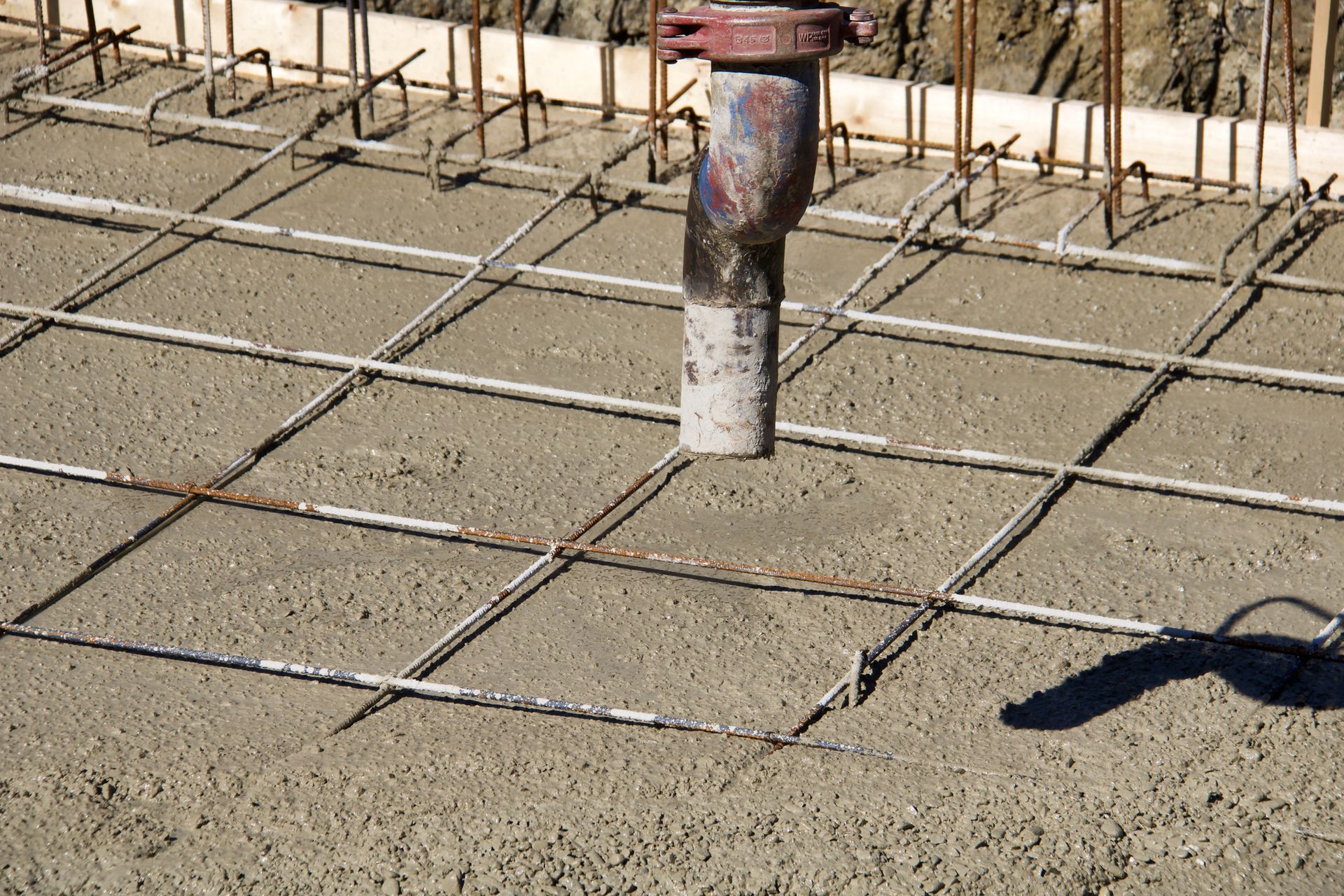
- Prime and test: Proper line priming and initial slump checks reduce the risk of blockages and segregation.
- Communicate changes: If hose length or elevation changes, alert the supplier to adjust mix consistency for reliable residential concrete pumping flow.
Getting the mix right at the outset supports smooth pumping and an even, predictable finish—especially critical for decorative or burnished slabs.
Challenge 4: Scheduling and Coordination With Trades
A smooth pour hinges on orchestrating suppliers, trades, and neighbours. When timelines compress, communication keeps the day on course.
- Lock in the sequence: Confirm formwork inspections, steel placement, and access are complete before trucks arrive.
- Stagger deliveries: Time trucks to match pump output and finishing speed, avoiding long intervals or a logjam at the kerb.
- Talk to the street: Letterbox drops or a quick word with neighbours helps keep driveways clear and reduces complaints on the day.
- Align with councils: If parking restrictions, traffic control, or time-of-day limits apply, secure approvals early.
Effective scheduling ensures residential concrete pumping happens at the right moment—when all the puzzle pieces are in place.
Challenge 5: Safety, Compliance, and Community Considerations
Safety is non-negotiable. Residential streets are busy with pedestrians, pets, and parked cars, and sites often hide hazards underground and overhead.
- Locate services: Dial Before You Dig, private service locating, and site briefings help avoid hits on gas, water, NBN, and power.
- Manage overheads: Maintain exclusion zones under power lines and set up booms accordingly.
- Keep it clean: Spill kits, wash-out trays, and controlled runoff protect gutters and waterways.
- Control the zone: Clear signage, spotters, and barriers maintain a safe working area for the crew and public.
Compliance takes planning, but it avoids costly incidents and keeps residential concrete pumping within legal and community expectations.
Practical Planning Tips for Homeowners and Builders
Solid preparation sets up a drama-free pour. Here’s a quick checklist to reduce surprises and keep the day running smoothly.
- Confirm site measurements, access, and ground conditions a week out—and again 24 hours before the pour.
- Book the appropriate pump and ensure a clear setup area, including safe wash-out locations.
- Coordinate trades to finish all pre-pour tasks and inspections in advance.
- Prepare a weather contingency: shade, water, plastic, and curing agents as required.
- Brief the team on hazards, neighbours, and specific finish expectations.
Following these steps means residential concrete pumping starts on time, with fewer on-site decisions and a cleaner finish.
How We Keep Residential Concrete Pumping Projects Moving
Practical solutions matter more than promises, and local experience makes the difference when a plan meets real-world constraints. Operating in the South Australia area, City Concrete Pumping brings a field-first mindset to planning and delivery.
That includes:
- Right-sized gear: A broad fleet lets crews match boom or line set-ups to the site instead of forcing a one-size-fits-all approach.
- Proactive logistics: Staggered truck slots reduce wait times and help finishers keep pace with the pour.
- Mix collaboration: Direct coordination with plants fine-tunes pumpability and set times for each project’s location and access distance.
- Skilled operators: Experienced crews anticipate hose routeing, pressure adjustments, and safety controls before issues arise.
These practices cut downtime, reduce rework, and keep the pour moving in line with the broader build schedule. Discover the people, values, and capability behind our services. Visit our About Us page to see how we deliver certainty across every project.
Budgeting Without Cutting Corners
Tight budgets are a reality in home builds. Smart planning helps avoid cost blowouts without compromising outcomes.
- Choose the right pump class: A pump that’s overpowered for the site can add unnecessary cost, while an undersized unit risks delays. Advice based on residential concrete pumping experience will keep spending aligned with needs.
- Lock scope early: Confirm hose runs, elevation, and mix specs upfront to minimise variations on the day.
- Consider timing: Off-peak slots can help manage supplier costs, especially when paired with efficient on-site set-up.
- Factor clean-up: Budget for proper wash-out handling and reinstatement—it’s cheaper than fixing damaged landscaping or blocked drains.
When budgets are set with realistic allowances, residential concrete pumping remains cost-effective and predictable.
When to Choose Boom or Line Pumps for Homes
Selecting the right pumping method is a practical decision that depends on site constraints, finish requirements, and labour availability.
- Boom pumps: Best for front-access slabs, larger driveway pours, and elevated decks where reach and speed reduce manual handling. They can shrink pour times and create a safer work zone if the setup space allows.
- Line pumps: Ideal for back-of-block pours, tight access, and complex routeing around structures. They’re versatile, with hose runs tailored to the site’s twists and turns.
Discussing the scope and constraints early will identify the fit-for-purpose option and support trouble-free residential concrete pumping from set-up to finish.
Case Snapshots From Across South Australia
Real-world examples to help show how tailored planning solves typical challenges without fuss.
- Adelaide Hills, steep access: A sloping block needed a rear-yard slab. Line routeing along a stabilised path, an early-morning start, and a retarded mix ensured safe placement and a consistent finish.
- Western suburbs, narrow frontage: A front-yard driveway pour required traffic control and careful staging. A smaller boom set-up avoided overhead lines, while staggered trucks reduced kerbside congestion.
- Fleurieu Peninsula, coastal breeze: Afternoon winds threatened finish quality. The team brought forward the start, used windbreaks, and selected an admixture plan to keep the surface workable.
Each scenario demonstrates how residential concrete pumping adapts to terrain, streetscapes, and weather, delivering quality outcomes without undue disruption.
Making the Most of Concrete Pump Hire
Hiring the right gear and crew gives homeowners and builders flexibility without overspending. For many projects, concrete pump hire provides a practical way to match equipment to the complexity of the pour, especially when access is tight or when decorative finishes demand steady, consistent placement.
Clear scope, accurate measurements, and honest time estimates ensure concrete pump hire aligns with delivery windows, reducing idle time and labour costs. When arranged alongside supply and finishing, concrete pump hire streamlines the whole pour, keeping everyone focused on quality and safety rather than workarounds.
Keeping Quality High in Residential Concrete Pumping Under Time Pressure
Deadlines matter when slabs tie into framing schedules and inspection windows. The trick is maintaining quality while moving fast enough to protect the programme.
- Pre-brief the crew: A five-minute huddle aligns everyone on sequence, hazards, and finish expectations.
- Calibrate pump output: Match flow to finishing capacity so the surface stays controllable and consistent.
- Protect the edges: Use form release agents and edge protections to speed strip-out and finishing without damage.
- Confirm curing: Have curing plans ready—particularly important in heat—to lock in strength and finish integrity.
These practices support residential concrete pumping that meets both the calendar and the code, without compromising workmanship.
Local Knowledge That Pays Off
Understanding micro-conditions makes a tangible difference in outcomes. Infill sites with heritage trees, council-specific kerb protections, and suburban delivery curfews all change how a pour is planned. The nuances of limestone soils versus clay, the way sea breezes arrive across the gulf, and the behaviour of mixes over longer haul distances from certain plants—these are the kinds of insights that keep residential concrete pumping resilient when conditions shift. Local knowledge turns potential bottlenecks into non-events.
Contact City Concrete Pumping Today!
Ready to navigate site constraints, unpredictable weather, and tight schedules with confidence? For residential concrete pumping serving South Australia that’s planned to the minute and delivered with precision,
contact City Concrete Pumping today. Get tailored advice for your site, from access planning to mix selection and pour sequencing, and keep your build moving without compromise. Call
08 8365 4000 now to book a consult or schedule your next pour—let’s get it right the first time.